
MedDRA is a rich and highly specific standardised medical terminology first developed by ICH in the late 1990s to facilitate sharing of regulatory information internationally for medical products used by humans.
A powerful tool, MedDRA is used for registration, documentation and safety monitoring of medical products before and after a product has been authorised for use. Products covered by the scope of MedDRA include pharmaceuticals, vaccines and drug-device combination products.
The growing use of MedDRA worldwide by regulatory authorities, global pharmaceutical companies, clinical research organisations and health care professionals allows better global protection of patient health.
MedDRA governance
ICH has created a governance structure to protect the integrity of MedDRA. The ICH MedDRA Steering Committee has overall responsibility for the direction of MedDRA and oversees all the activities of the ICH MedDRA Maintenance and Support Services Organisation (MSSO), which maintains, develops and distributes MedDRA. ICH has also established a Japanese Maintenance Organisation (JMO), which works in close collaboration with MSSO to support users in Japan.
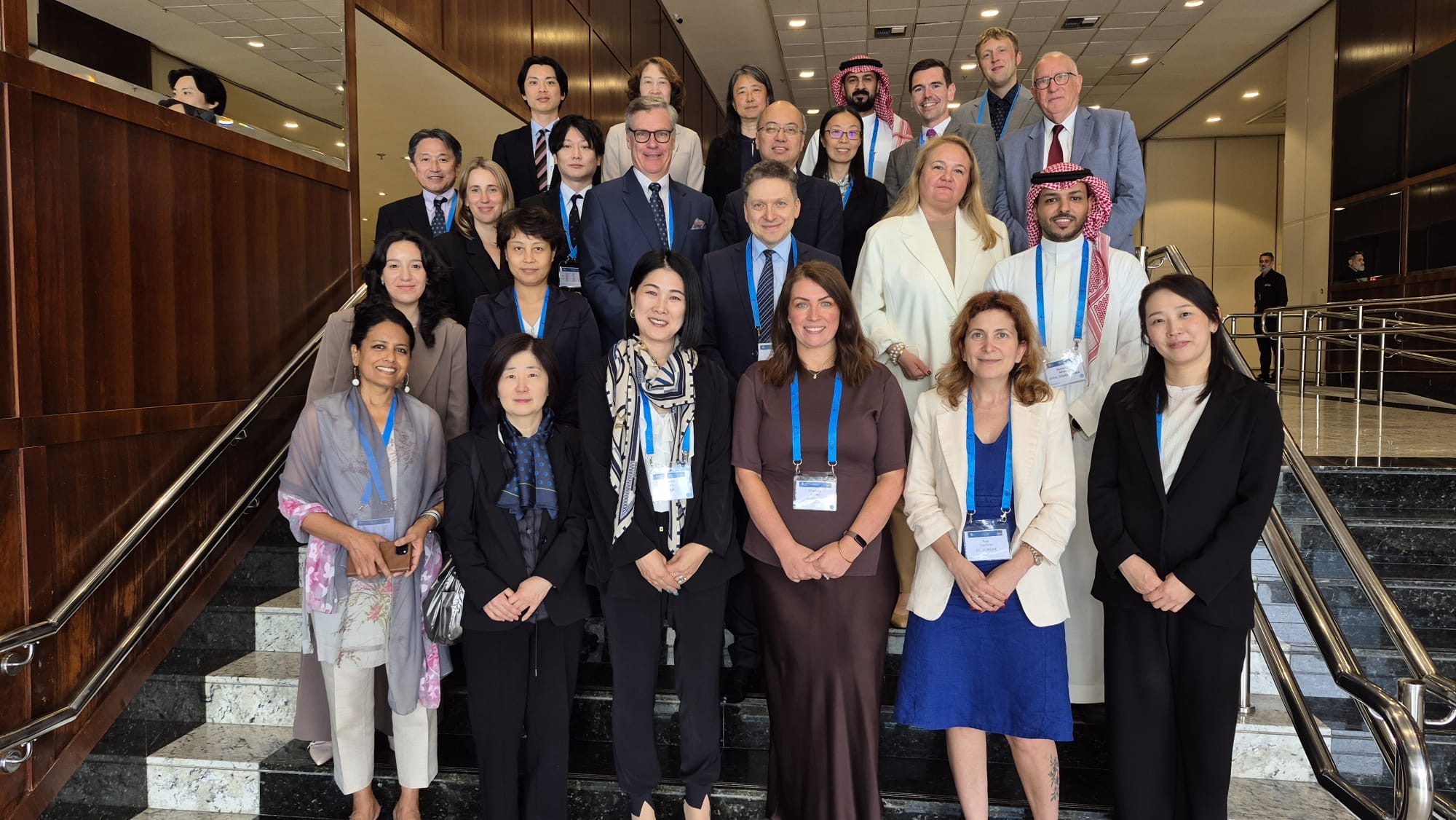
The MedDRA Steering Committee met in Rio at ICH 52 in June 2026
Multilingual
In addition to the original English and Japanese translation, MedDRA has been translated into and is maintained in 25 additional languages, with more being planned. Each MedDRA term has an associated numeric code that remains the same, regardless of the language. This allows a growing number of users to operate in their native language, which promotes accuracy and precision in assigning codes and easy sharing of data internationally.
Affordable - and free for government regulators
MedDRA subscriptions are available at no charge to all pharmaceutical regulators worldwide. Paid subscriptions are available to companies on a sliding scale linked to annual turnover. Academics and health care providers can also access MedDRA from MSSO at no cost and from JMO at a nominal cost.
Free training for users
Free training is offered to all MedDRA subscribers on a wide range of topics and in different formats: face-to-face, live and recorded webinars, and on-demand e-learning on the MedDRA Learning Management System. Training is provided in several languages: English, Arabic, Chinese, French, German, Korean, Portuguese, Russian and Spanish. The JMO offers training in Japanese.
Free support tools
MedDRA is continuously enhanced to meet the evolving needs of its users worldwide. After more than two decades, there is a strong development and maintenance program to keep MedDRA current and to produce tools to support users.
The ICH M1 Points to Consider (PTC) Working Group develops and maintains two PTC documents on the use of MedDRA, updated annually with the March release:
- MedDRA Term Selection - for data entry (coding), to promote accurate and consistent term selection
- MedDRA Data Retrieval and Presentation - data retrieval and analysis, including guidance on the use of Standardised MedDRA Queries (SMQs) as tools for assisting with safety signal detection.
Other essential supporting documentation is also produced by the MSSO with each MedDRA release (March and September) and available in all MedDRA languages, including:
- What's New - describing what has changed since the previous version
- Introductory Guide
- Introductory Guide for Standardised MedDRA Queries (SMQs)
- MedDRA Distribution File Format Document
Digital tools include:
- MedDRA browsers - software tools to help users navigate MedDRA (in web-based, desktop and mobile versions)
- MVAT tool - assesses the impact of any changes to users' data due to MedDRA version changes
- WebCR tool - facilitates user submission of proposed changes to MedDRA
Direct support for users
Subscribers have access to direct support through the MedDRA Help Desk.
MedDRA User Group meetings are also organised in different regions of the world throughout the year. This forum providers users with an opportunity to network and exchange best practices, lessons learned, implementation challenges and potential MedDRA developments.